Everyday Living In Fort Worth: What New Residents Can Expect
June 25, 2026
June 25, 2026
Moving to a new city can feel exciting and a little overwhelming at the same time. If Fort Worth is on your radar, you probably want a clearer picture of what daily life actually looks like once the boxes are unpacked. From commute patterns and major job hubs to parks, dining districts, and the mix of home styles you will find, here is what you can expect from everyday living in Fort Worth. Let’s dive in.
Fort Worth is a large and growing city with an estimated population of 1,008,106 as of July 1, 2024. The city grew 9.7 percent from April 2020 to July 2024, which helps explain why so many new residents are taking a fresh look at the area.
It also covers a lot of ground at 347.27 square miles. That means your day-to-day experience can vary depending on where you live, work, and spend your free time. In a city this size, location matters because it shapes your commute, your errands, and how close you are to the places you enjoy most.
For housing context, Census data from 2020 to 2024 show a median value of owner-occupied homes of $303,000 and a median gross rent of $1,509. The owner-occupied housing rate is 57.0 percent, and the median household income is $79,507. Those numbers help set a baseline, but your own experience will depend on the part of Fort Worth you choose and the type of home you want.
Fort Worth has a warm climate, which shapes everyday routines more than many new residents expect. The city reports average highs of 77°F and average lows of 54°F, along with about 42 inches of rainfall and around 2 inches of snowfall each year.
In practical terms, that often means outdoor plans can stay part of your weekly routine for much of the year. It also means summer heat is something to plan around, especially if you enjoy afternoon walks, park time, or house hunting across multiple neighborhoods in one day.
For many residents, driving is still a major part of daily life. Fort Worth benefits from key road corridors including Interstate 35W, Interstate 20, and Interstate 30, which support movement across the city and into the wider DFW area.
The average commute time in Fort Worth is 27.1 minutes. That number gives you a helpful starting point, but actual drive times can feel very different depending on whether you are headed downtown, toward the Alliance area, or across the metro for work.
Public transportation and alternative commuting options are also part of the picture. Trinity Metro offers buses, TEXRail commuter rail, on-demand rideshare, paratransit, bikes, and vanpools, giving residents multiple ways to move around without relying on a car for every trip.
Fort Worth Central Station is the system’s largest bus transfer center and connects riders to bus, rail, Amtrak, Greyhound, and TEXRail service. TEXRail runs 27 miles between downtown Fort Worth and DFW Airport Terminal B, while TRE links Fort Worth and Dallas Monday through Saturday.
If you plan to spend time in and around central areas, local circulators can be especially useful. The Orange Line connects downtown Fort Worth and the Stockyards, and the Blue Line downtown circulator runs every 7 minutes between 7 a.m. and 7 p.m. Free parking at seven of nine TEXRail stations can also make park-and-ride commuting more practical.
Fort Worth has several major employment centers rather than just one business core. City planning materials identify Downtown, the Medical District and Near Southside, NAS-JRB and Lockheed Martin, and the Alliance Corridor as key job hubs.
That spread matters when you choose where to live. A home that feels convenient for one work location may be much less convenient for another, so it helps to think about your weekly routine before narrowing your search.
The city’s fact sheet lists major employers such as American Airlines, Lockheed Martin, NAS Fort Worth Joint Reserve Base, Alcon Laboratories, Bell Flight Fort Worth, Burlington Northern Santa Fe, JPS Health Network, Tarrant County College, and Fort Worth ISD. These employers reflect the city’s mix of aviation, defense, healthcare, education, and transportation-related jobs.
Near Southside is described by the city as a mixed-use employment district with about 30,000 employees, second only to the Central Business District, which has about 40,000 employees. Regionally, DFW Airport also plays a major role, supporting more than 228,000 jobs across North Texas.
AllianceTexas is another major part of the local economy. The city describes it as a 27,000-acre development anchored by Perot Field Fort Worth Alliance Airport and focused on air cargo, corporate aviation, and logistics.
One of the most useful things to know about Fort Worth is that daily life often revolves around districts. Instead of one single center for everything, the city offers different activity hubs with their own rhythm and mix of restaurants, attractions, and local hangouts.
Downtown and Sundance offer a walkable setting with a broad range of dining options. If you like having restaurants, events, and a more urban feel close at hand, this part of the city often plays a central role in daily and weekend plans.
The Stockyards remain one of Fort Worth’s signature destinations. Visit Fort Worth highlights the area for cowboy cuisine, western nightlife, shops, hotels, restaurants, and the Herd cattle drive, making it a place many residents enjoy showing off to visiting friends and family.
Near Southside is a major lifestyle and employment district. It includes more than 40 independently owned restaurants, and Magnolia Avenue is one of the city’s best-known food corridors.
For new residents, that can translate into a neighborhood feel with plenty to do close by. It is the kind of area where dining out, meeting friends, or exploring local businesses can become part of your regular routine.
West 7th is known as one of Fort Worth’s hottest entertainment scenes. Nearby, the Cultural District adds museums, restaurants, the Fort Worth Botanic Garden, and the Fort Worth Zoo.
If you value easy access to arts, dining, and major attractions, these areas can shape a very active version of city living. Even if you do not live nearby, they often become part of the places you return to often.
Outdoor access is a real part of everyday life in Fort Worth. The city’s parks department maintains 311 parks covering 13,464 acres, along with 16 open-space sites totaling 707 acres.
That scale gives residents a lot of room to spread out. Whether you want a quick neighborhood park visit, a weekend trail ride, or a longer nature outing, Fort Worth offers options across the city.
Trinity Trails is one of the biggest standouts, stretching more than 100 miles along the Trinity River. For many residents, it becomes part of regular exercise, biking, walking, or simply getting outside after work.
The Fort Worth Nature Center & Refuge offers a different kind of outdoor experience. It covers 3,621 acres and includes more than 20 miles of hiking trails, which can be a big plus if you want access to larger natural spaces without leaving the city.
Forest Park is another familiar recreation anchor and one of the city’s most popular parks. It is also home to the Fort Worth Zoo and Log Cabin Village, making it a common destination for both everyday outings and weekend plans.
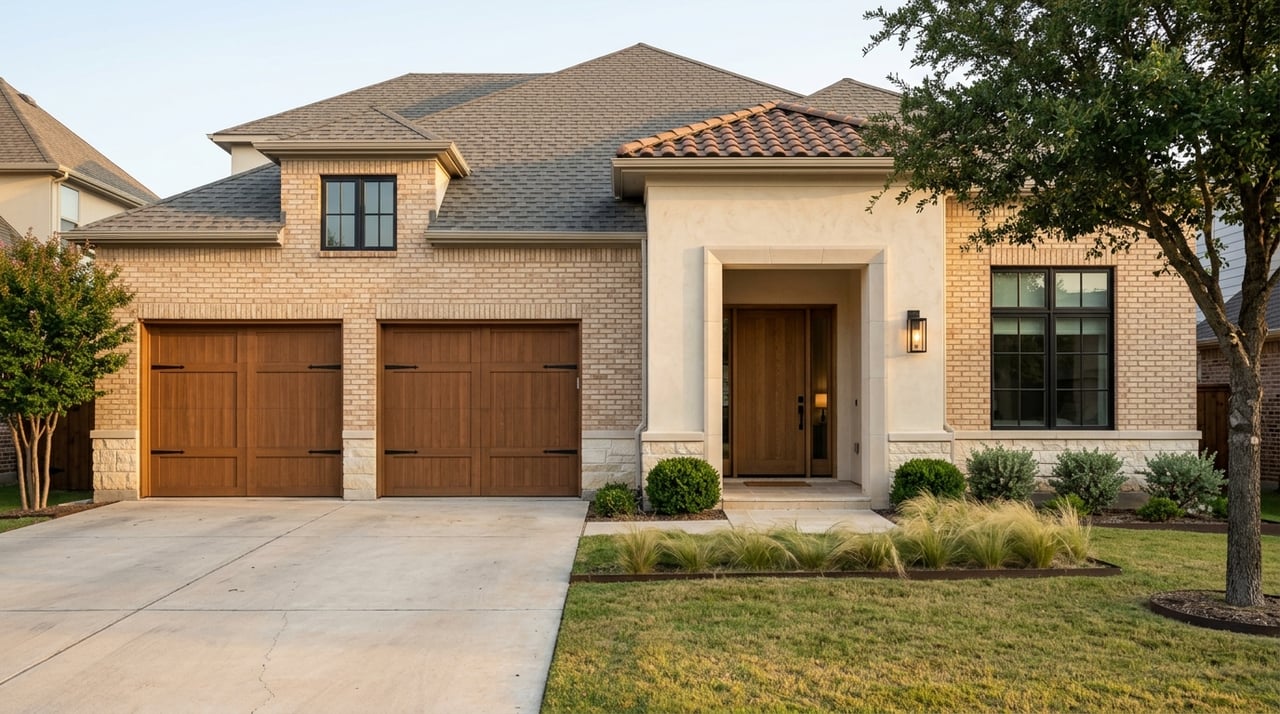
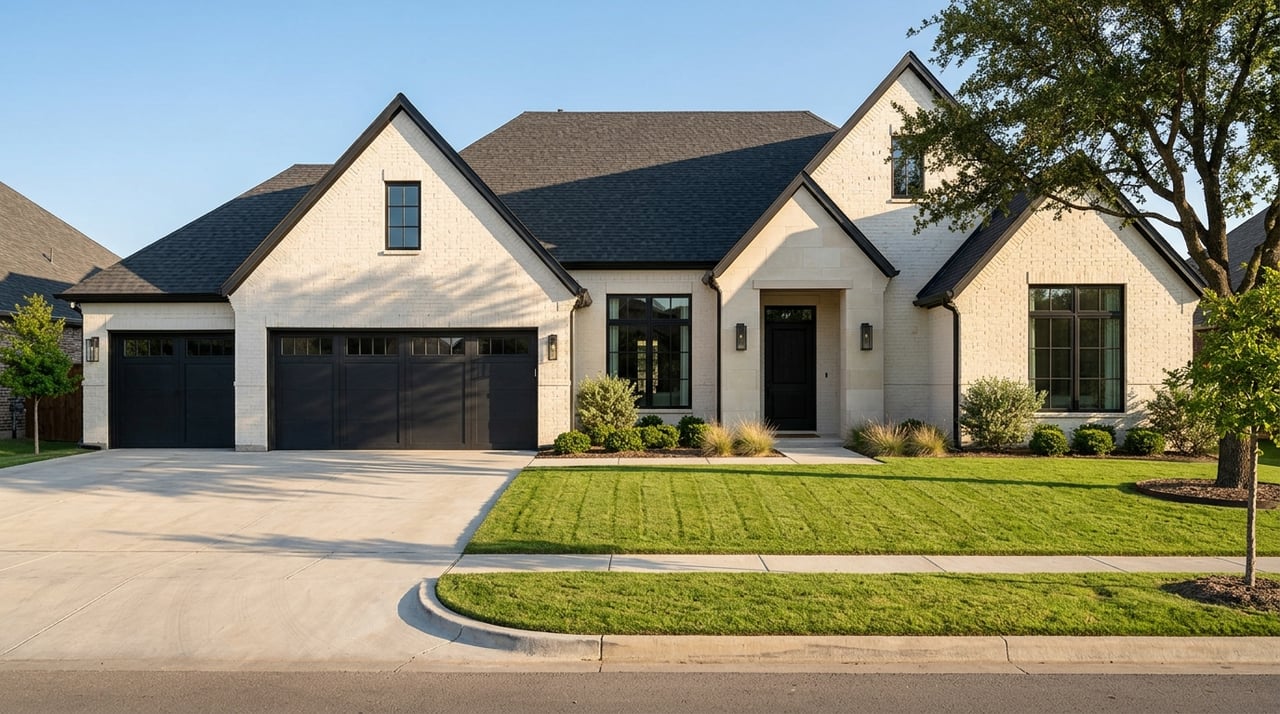
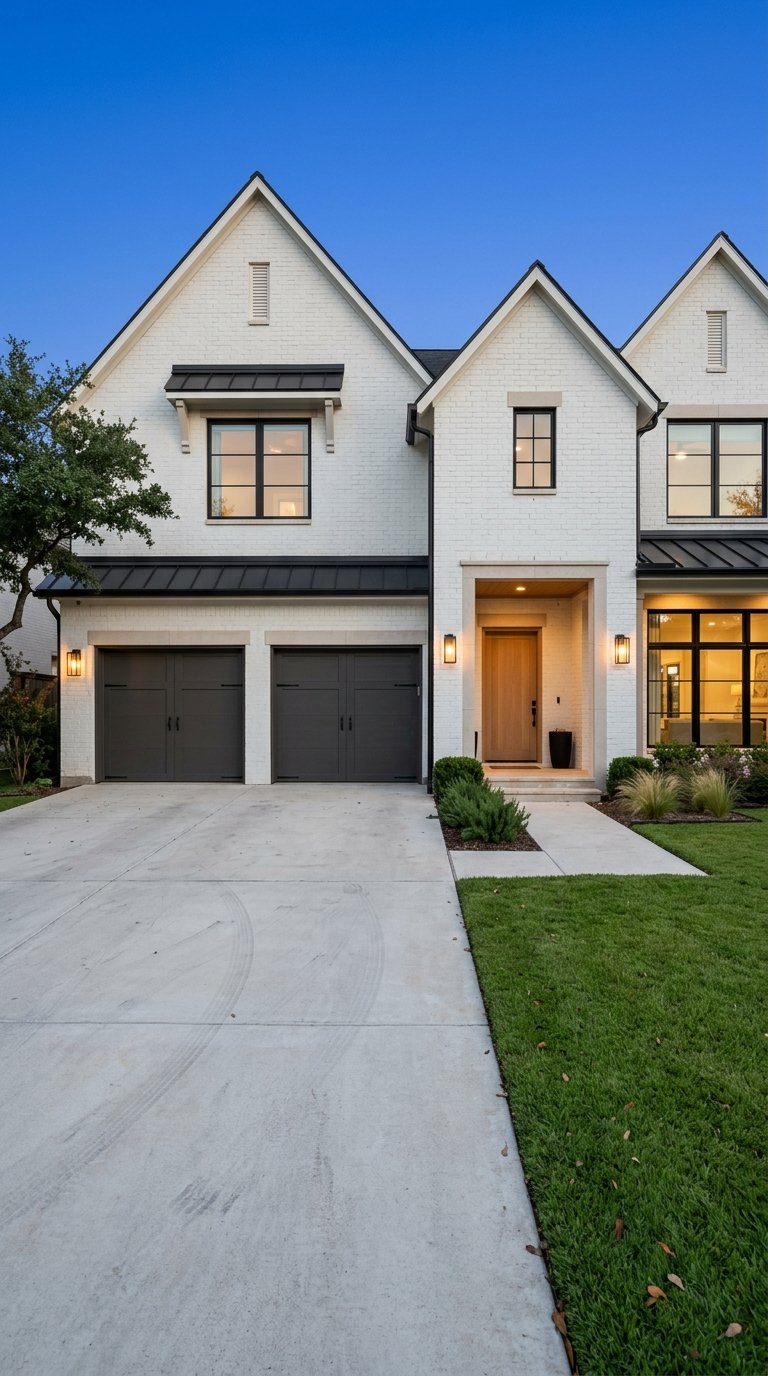
Fort Worth’s housing stock is varied, and that is one of the city’s strengths. Rather than one dominant look, many areas reflect the period when homes were built, so you will often find a mix of styles even within the same part of town.
The city’s preservation materials note that many neighborhoods developed over several decades. That means your home search may include everything from historic homes with distinct architectural details to newer infill options and postwar ranch-style properties.
In Fairmount and parts of Southside, bungalows and four-square forms are especially noted. Other preservation materials point to Mediterranean, Tudor Revival, and Spanish Colonial Revival architecture in early residential neighborhoods.
Historic Carver Heights is described as a mid-century modern ranch-style neighborhood developed in the 1950s. Near Southside also includes early-1900s single-family homes, restored historic apartments, and emerging townhome and loft options.
For buyers and renters, this variety can be a real advantage. It gives you more flexibility to match your budget, your maintenance preferences, and the kind of setting that feels right for your lifestyle.
Fort Worth tends to reward people who think through their daily routine before choosing a home. Because the city is large and job centers are spread out, the best fit is often the one that supports how you actually live from Monday through Sunday.
A few practical questions can help you narrow your search:
Those answers can make your move feel much more intentional. They also help you focus on parts of Fort Worth that line up with your budget and your routine, rather than searching too broadly.
Fort Worth offers a blend that many buyers and renters find hard to ignore. It combines major employment centers, highway and rail connections, broad housing variety, strong park access, and distinct dining and entertainment districts.
Just as important, the city offers different ways to live within the same market. You can prioritize access to job centers, outdoor space, walkable districts, historic character, or a wider range of housing types depending on what matters most to you.
If you are planning a move, having local guidance can make it much easier to compare areas, understand tradeoffs, and choose a home that fits your day-to-day life. If you want help exploring Fort Worth neighborhoods, commute patterns, or available homes, Jonny Swearingin can help you make a confident move with clear, practical guidance.
Stay up to date on the latest real estate trends.
From the first conversation to closing day, Jonny is committed to delivering exceptional service, clear communication, and expert guidance tailored to your unique needs. Contact Jonny today so he can guide you through the buying and selling process.